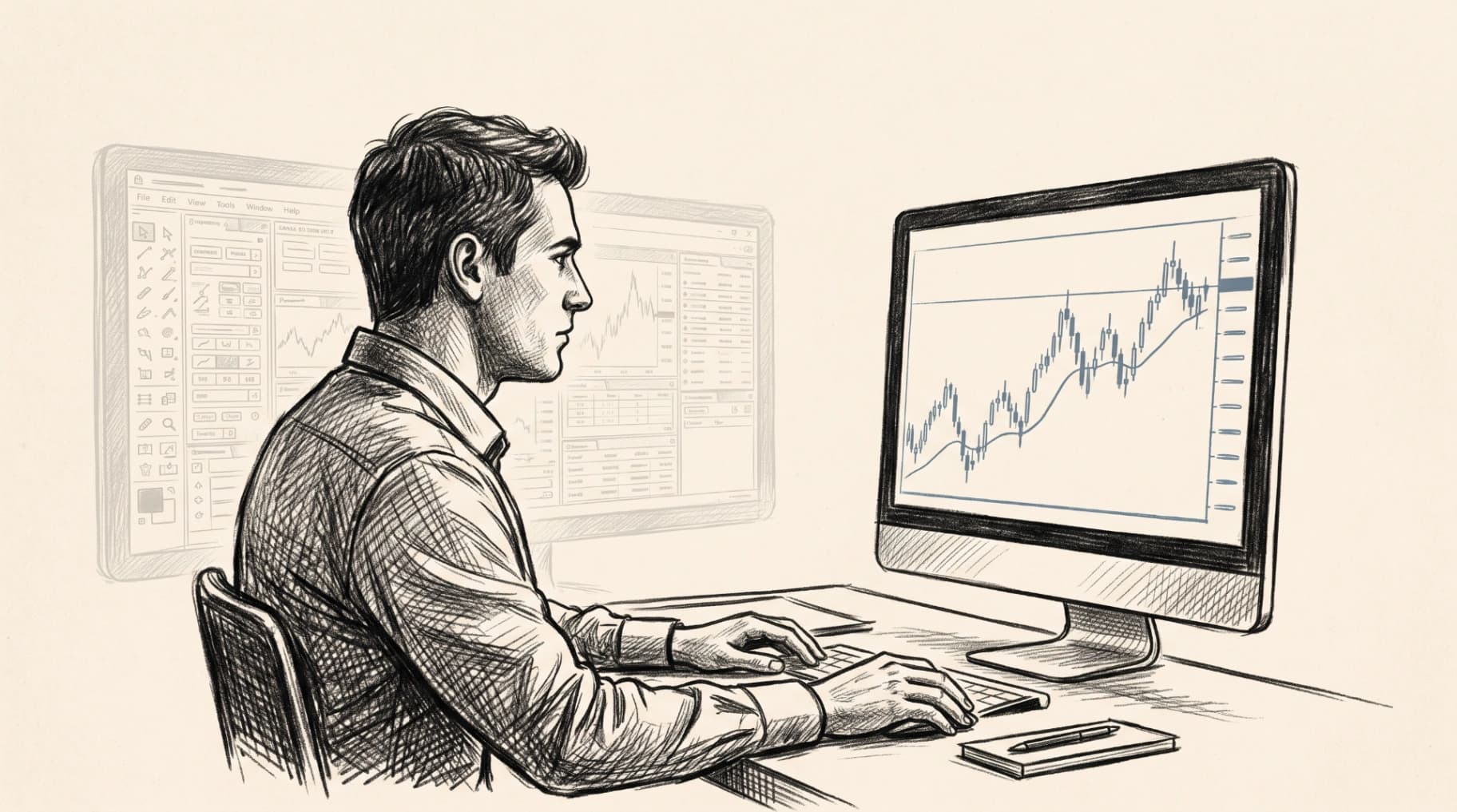
There is a particular moment familiar to almost every trader who has spent time online. A new technical analysis tool gets mentioned in a group chat or a comment section, and there is a pull to go try it, convinced this one might be the missing piece. A few weeks later it sits unused next to the last three tools that promised the same thing.
Technical analysis tools have multiplied fast. Scanners, screeners, pattern recognizers, sentiment overlays, AI chart readers, each one adding another tab to keep open. The promise is always more coverage, more signals, more edge. What tends to happen in practice is more noise, and a harder time trusting any single read of the chart.
Tool count is not the same as tool quality
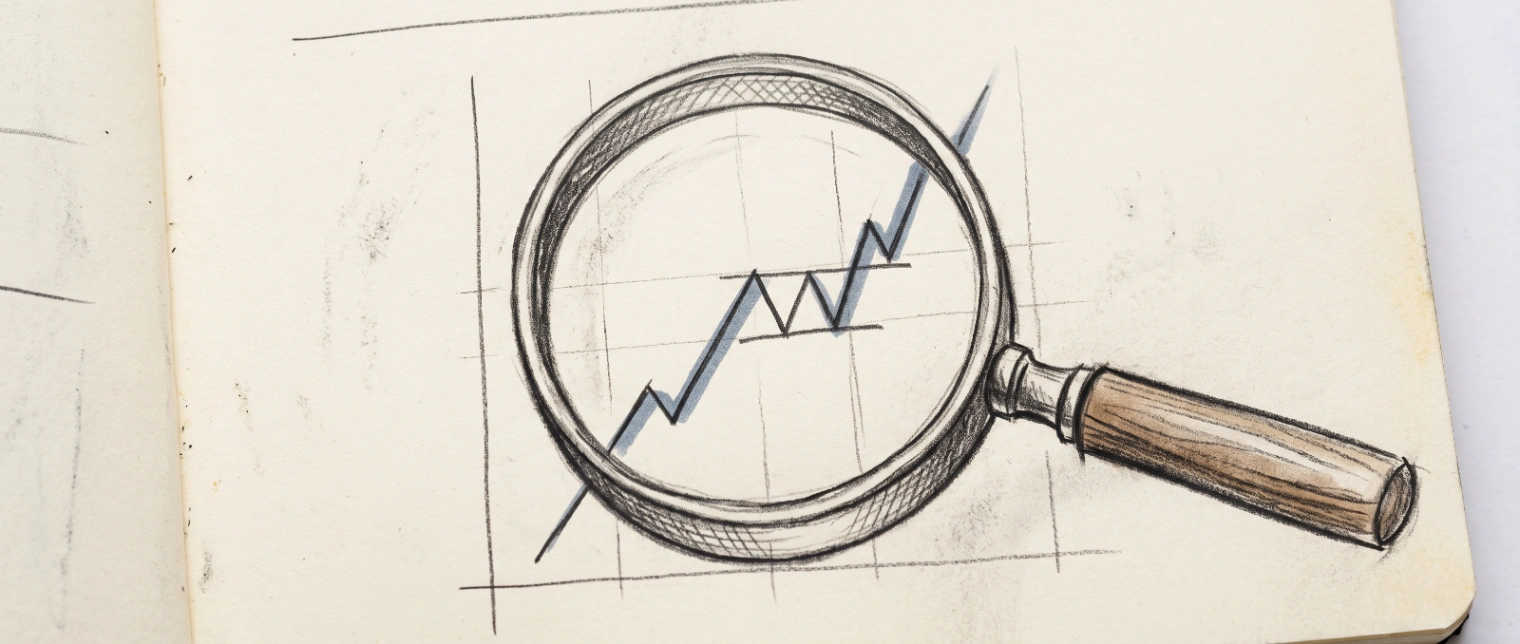
A platform advertising forty built-in studies sounds more capable than one offering four. But most experienced traders converge on a small, consistent toolkit over time, not because they ran out of options, but because a smaller set is easier to read quickly and consistently. The trading chart patterns that actually hold up are usually confirmed by two or three things a trader already trusts, not by adding a fourth or fifth indicator to break a tie.
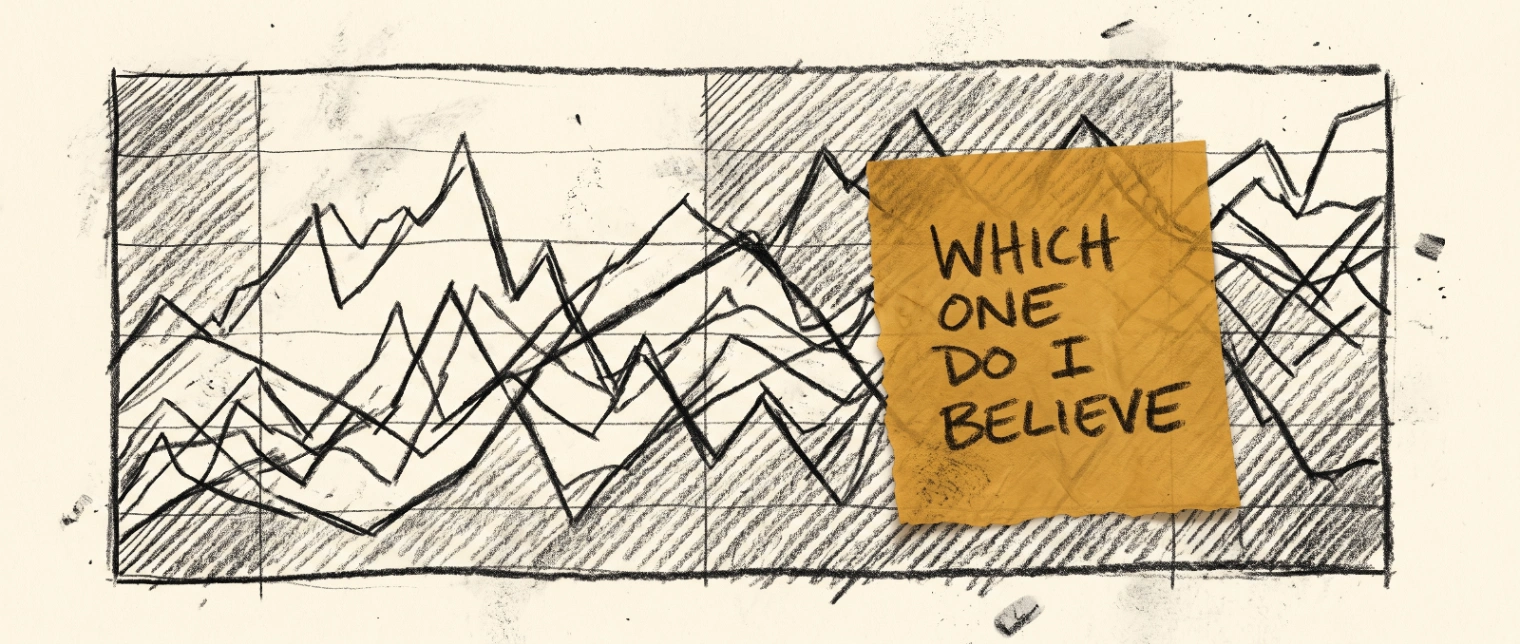
Every additional tool also adds a new way to second-guess a decision. A moving average says one thing, an oscillator says another, and now there is a negotiation happening on the chart instead of a read. That negotiation rarely resolves in favor of clarity.
What separates a useful tool from a crowded one
A few things distinguish technical analysis tools worth keeping from ones that just add clutter:
They answer a specific question clearly, not a vague one. A volume tool that shows unusual activity is useful. A tool that promises to "find your edge" without specifying how is not.
They stay consistent across sessions. A tool that behaves differently depending on market conditions without explanation is harder to trust over time than one with a narrower, dependable scope.
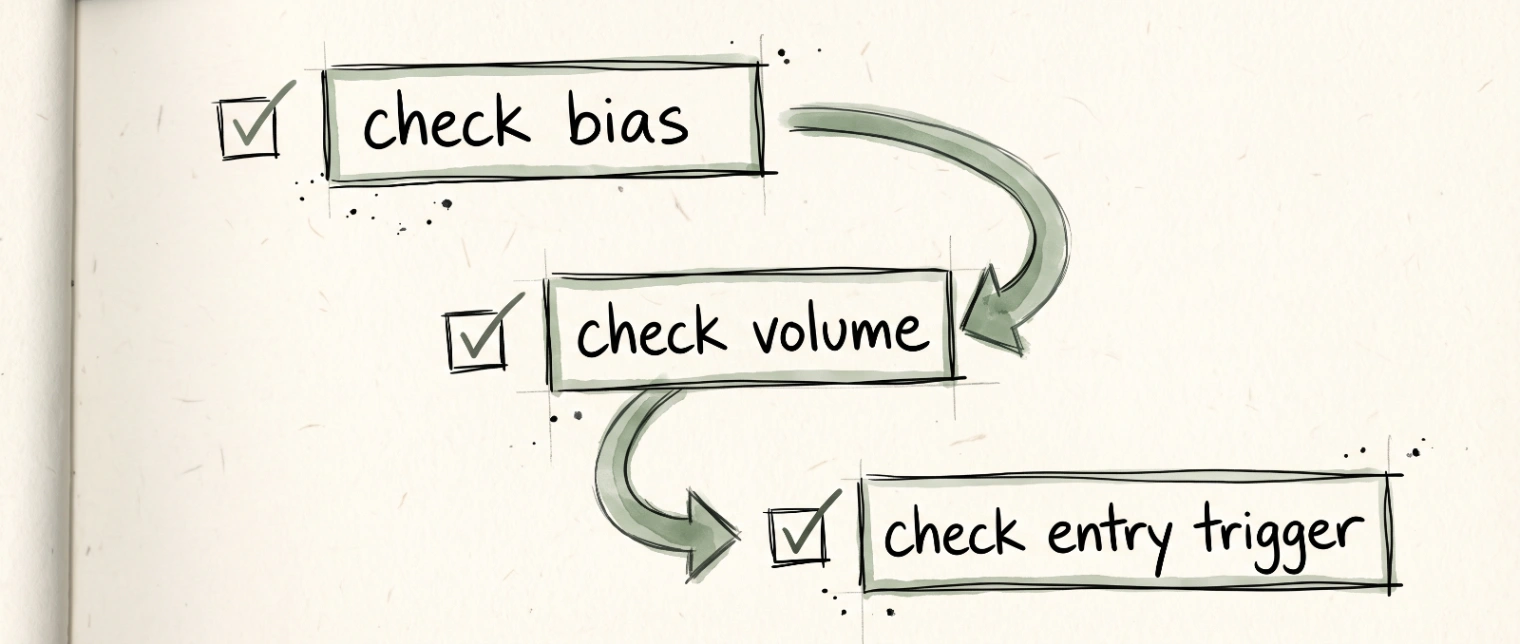
They fit into a repeatable process. A tool used once out of curiosity rarely earns its place. A tool checked every session, in the same order, as part of a routine, tends to actually shape decisions.
That last point connects back to something bigger than the charting layer itself. Consistency in tool use tends to track consistency in trading behavior more broadly, which is closer to a psychology question than a software question. This is part of why trading psychology tools and technical tools work better analyzed together than kept in separate silos.
The sizing question technical tools usually skip
Most technical analysis tools stop at the signal. They will flag a breakout, a divergence, a pattern completion, and leave the next decision, how much to actually put behind that signal, entirely outside their scope. That gap is where a lot of good technical reads turn into inconsistent outcomes. A trader can identify the exact right setup and still handle it differently three times in a row depending on how the last trade went.
This is where technical analysis and position sizing need to sit closer together than most charting platforms treat them. A signal without a consistent sizing rule attached to it is only half the decision.
Where technical tools and journaling should meet
A technical tool tells a trader what the chart is showing right now. It rarely tells them how their own reads of that chart have held up over time. That second layer, whether a particular setup, on a particular technical tool, has actually been reliable for that specific trader, only comes from tracking it deliberately rather than trusting memory.
The traders who get the most out of their technical analysis tools tend to be the ones who pair every signal with a record of what they did with it and how it played out. Charting and journaling handled as one continuous workflow, the way it is covered in stock charting software, closes that loop far better than a technical tool used in isolation ever can.
FAQ
Do more technical analysis tools lead to better trading decisions?
Not consistently. Most experienced traders settle into a small, repeatable toolkit. Adding more tools often adds conflicting signals rather than clearer ones.
What makes a technical analysis tool worth keeping long term?
Consistency. A tool that behaves the same way across sessions and fits into a repeatable routine tends to earn trust. One used only occasionally rarely changes behavior.
Why do technical tools often stop short of being fully useful?
Most flag a signal but leave sizing and follow-through entirely up to the trader. A signal without a consistent sizing rule is only half the decision.
Should technical analysis and journaling be treated as separate processes?
They work better connected. Tracking how a specific setup on a specific tool has actually performed over time tells a trader more than the signal alone ever will.