
There are roughly six thousand stocks listed on U.S. exchanges alone. Add ETFs and other markets and the number most traders could theoretically watch dwarfs the number any person can actually track. A stock screener exists to close that gap, taking a universe too large to watch manually and narrowing it down to something a trader can actually work with in a single session.
The problem is that most traders set up a screener once, with default or borrowed filters, and never revisit whether those filters still match how they actually trade. A screener built around someone else's criteria will surface someone else's opportunities, not necessarily good ones for the person running it.
Filters should describe your setup, not the market in general
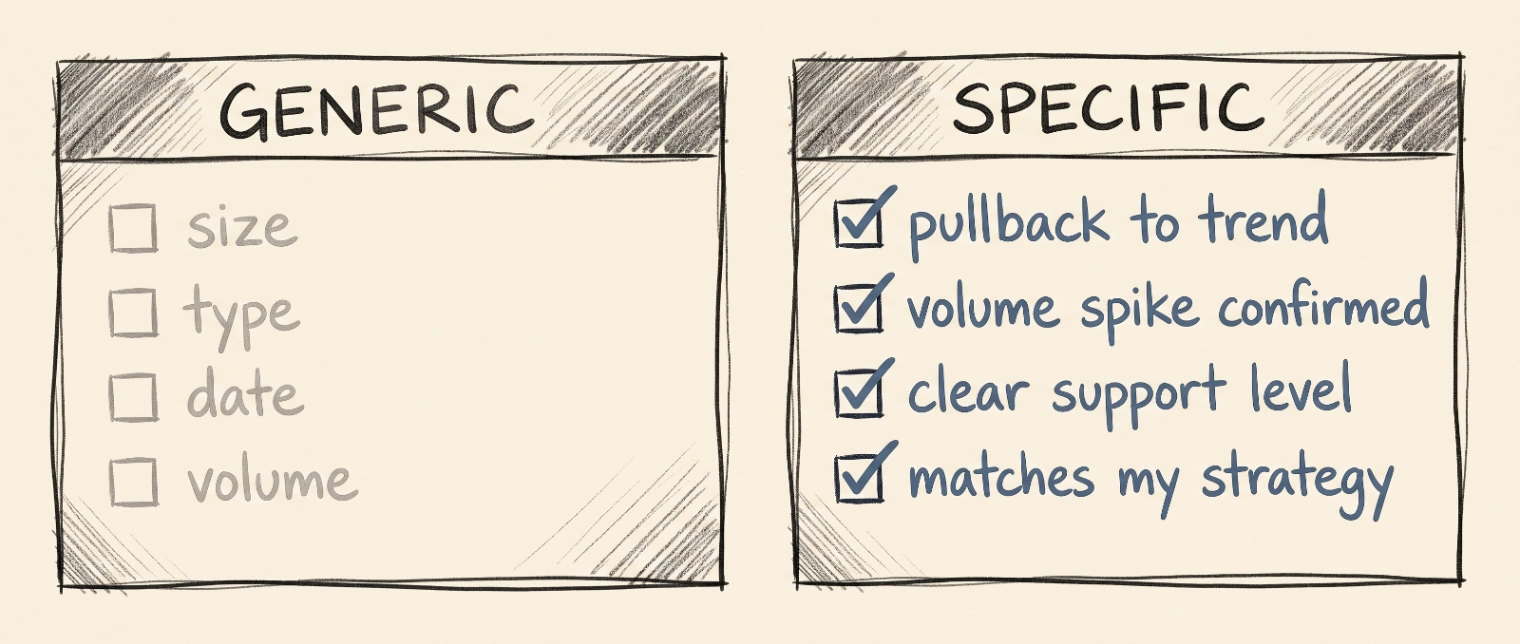
The most common mistake in screener setup is filtering for things that sound important rather than things that are specific to a trader's own strategy. Market cap above a certain threshold, volume above another threshold, price above five dollars. These are reasonable baseline filters, but they are not a strategy. They just exclude the extremes.
A screener becomes genuinely useful once its filters describe the actual setup a trader is looking for. If a strategy depends on a stock pulling back to a moving average after an extended run, the screener should filter for exactly that condition, not for generic momentum. This is the same principle behind building a solid trading watchlist, the value comes from specificity, not from casting the widest possible net.
Too many filters can be as bad as too few
Once someone realizes filters can be specific, the instinct is often to add more of them. Price above X, volume above Y, relative strength above Z, and five more criteria stacked on top. Each additional filter narrows the result list, which feels like progress, but it also increases the odds of filtering out the exact setups the strategy is actually looking for, simply because they did not happen to satisfy every single condition simultaneously.
A screener that returns two or three results most days is not necessarily a precise screener. It might just be an overly narrow one. The goal is a shortlist small enough to review by hand, not a list so small it misses valid opportunities.
Screening is a starting point, not a decision
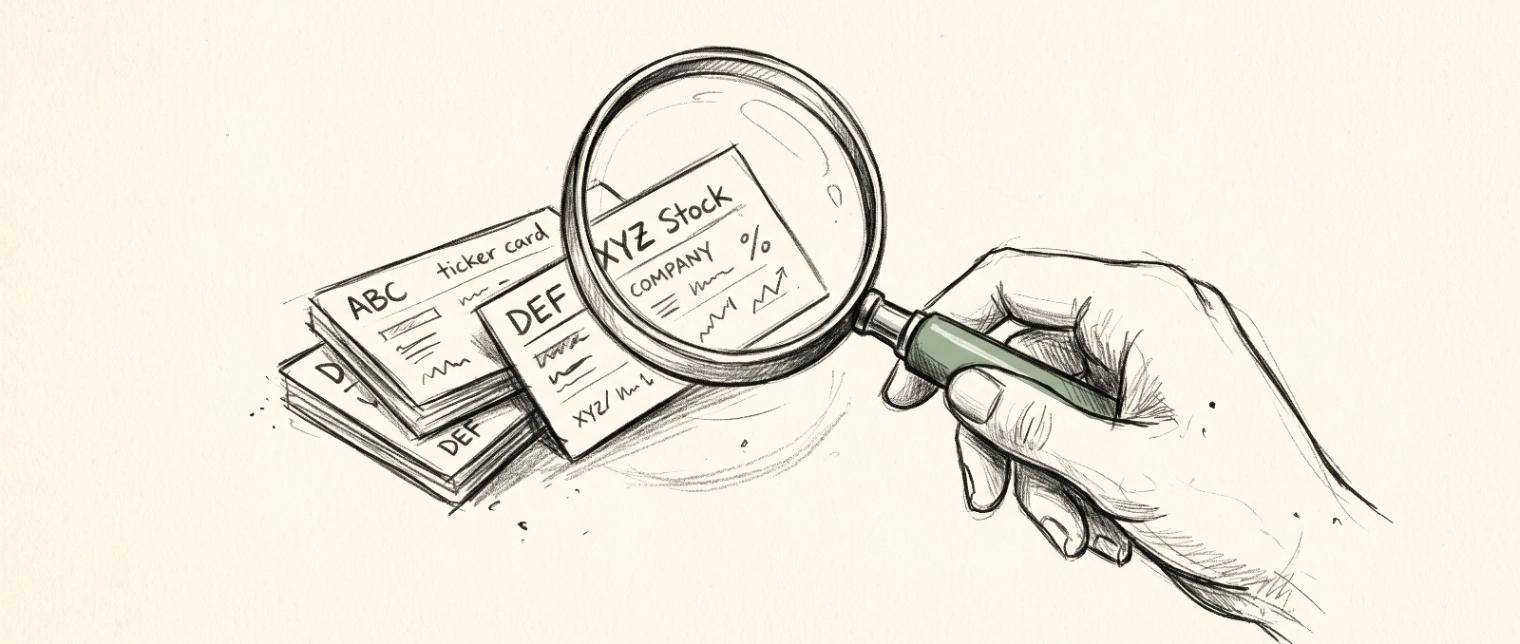
A ticker that clears every filter in a screen has not been fully evaluated. It has been flagged as worth a closer look. Treating a screener's output as a finished decision skips the step where a trader actually reads the chart, checks the broader context, and applies the same judgment covered in technical analysis tools, namely that a signal on its own is only part of the picture.
This distinction matters because it is easy to develop a habit of acting on screener results directly, especially when time is short before a session opens. A screener should compress the research step, not replace it.
Revisiting filters on a schedule, not just when they stop working
Most traders only reconsider their screener filters after a stretch of results that clearly stopped making sense. By that point, the filters have likely been quietly drifting out of sync with the strategy for a while. A better habit is treating the screener setup as something to review on a regular schedule, the same way a trading watchlist or a set of go-to indicators gets revisited periodically rather than left untouched indefinitely.
This kind of consistency, checking the same process at the same intervals rather than only reacting when something breaks, is closer to a discipline question than a tool question. It sits alongside the habits covered in trading consistency, where the tool matters less than whether it gets used the same way every time.
Where screening connects to the rest of the process
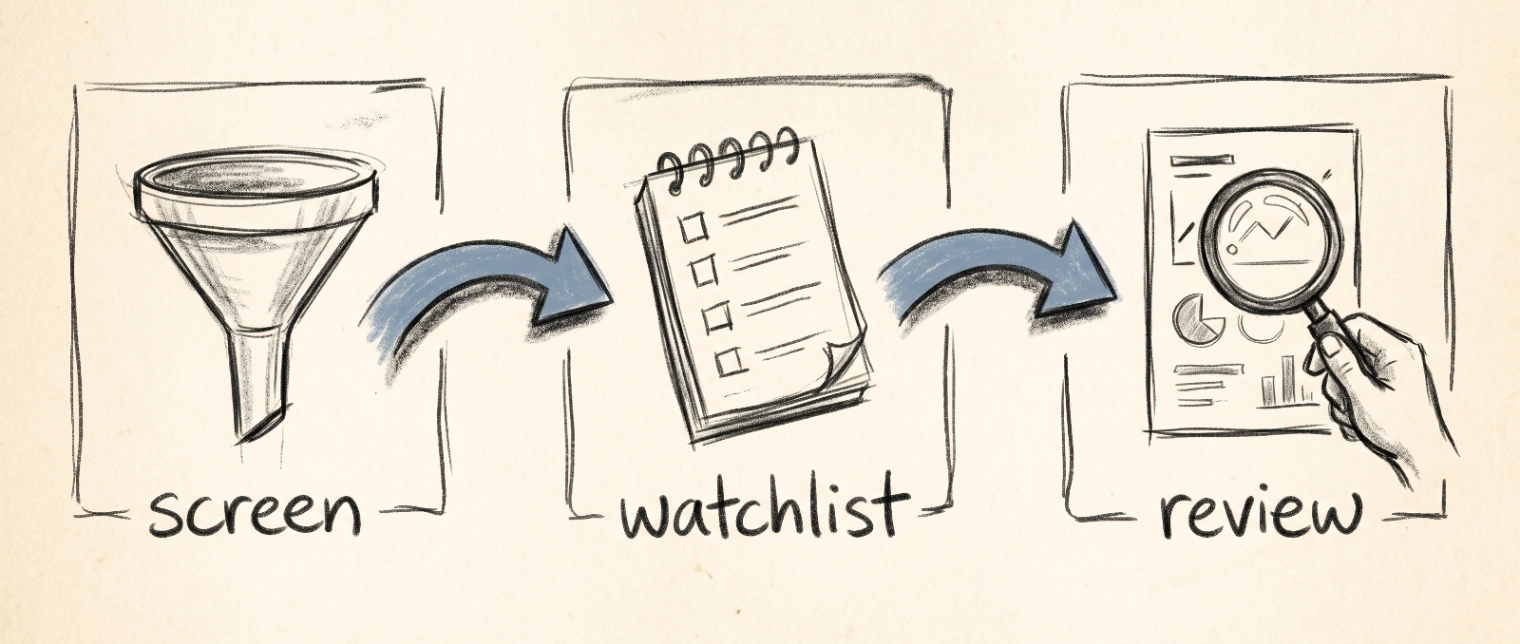
A screener's real value shows up once its output feeds into something else, a watchlist, a chart review, a journal entry on why a setup was or was not taken. Used in isolation, a screener is just a shorter list of the same overwhelming market. Used as the entry point into a full research and review process, it becomes the step that makes everything after it manageable.
FAQ
How many filters should a stock screener use?
Enough to describe the specific setup being looked for, but not so many that valid opportunities get excluded for missing one minor condition. A shortlist that is easy to review by hand each day is usually the right size.
Should screener results be acted on directly?
No. A ticker that clears a screen has been flagged for review, not confirmed as a trade. It still needs a closer read of the chart and the broader context before any decision.
How often should screener filters be reviewed?
On a regular schedule, not only after results stop making sense. Filters can drift out of sync with a strategy gradually, well before the results look obviously wrong.
What is the biggest mistake traders make when setting up a screener?
Using generic filters, like market cap or volume thresholds, as if they were a full strategy, instead of filtering for the specific setup a strategy is actually built around.